[Photo credit: Tyler Lastovich/Pexels]
I frequently think of my St. Bonaventure University roommate and treasured friend with a loving chuckle, given his magnetic personality.
In college he was able to recite every New York State county alphabetically in under 60 seconds. He performed “Rappers Delight” at a campus-wide talent show and got a standing ovation. At his high school prom, people ceded the dance floor to watch him dance.
Yes, he has rhythm as well as magnificent quirkiness that leaves people smiling.
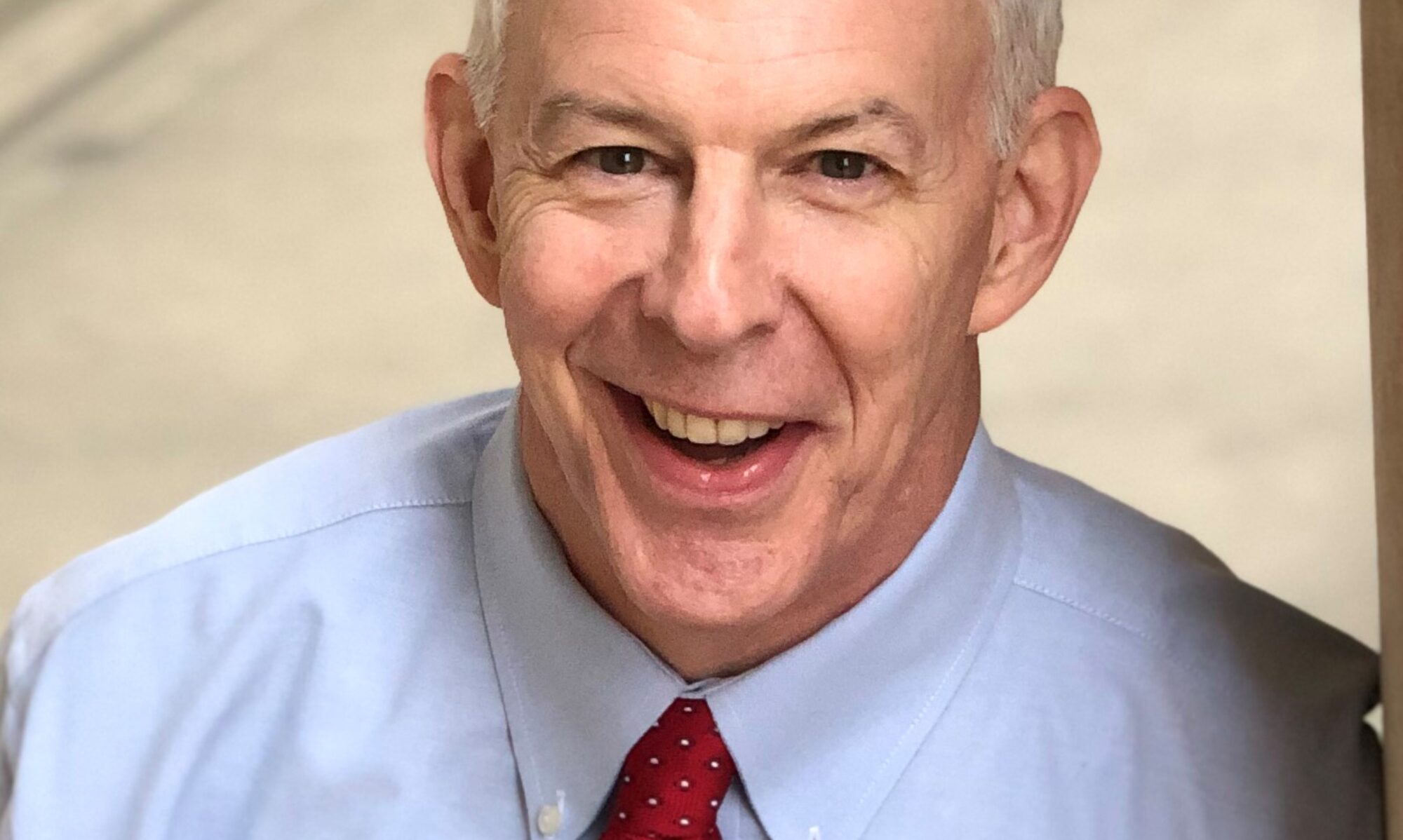
Fast-forward several years. That lanky redhead became Dr. Edward Downes, now an Associate Professor in the College of Communication at Boston University who is a modern-day advocate for limited cell phone use.
His uniqueness still vibrant, Downes has had a firm belief: Yes, own a cell phone, but don’t let your cell phone own you.
He has rarely carried or owned a mobile device since they became mainstream in the late 1990s. Downes uses one in 2026 “very, very sparingly” and only in times when it is required in, for instance, logging on to his university account. He will seldom use a cell phone to make or receive a call.
Others initially scoffed at his approach to technology. My wife was one of them, saying, “A communications professor not having a cell phone…it doesn’t make sense.”
However, reactions to Downes’ cell phone avoidance are shifting. While others would give him a confused look 15 years ago, he now hears comments like, “Oh, I love that. I wish I didn’t have mine,” and “I want to hug you for not having one.”
People have come to resonate with his disdain for “these unwanted guests.”
“I get very little pushback from audiences because they know that there’s something going on with these things that they don’t like. They don’t have a solution on what to do,” he said.
He has used an analogy for several years: Consider a 100-yard football field as a history of human communication. A single blade of glass represents the amount of time that mobile phones have been a part of that history. “The main thing we don’t get is that the mobile phone, spread across the world, has no control group to monitor what’s going on,” he said. “We don’t know anything about the long-term effects of it.”
At the same time, he maintains, “Smart phones are altering our essence,” redefining time, space, and availability as well as personal identity.
Research adds other considerations, such as mental and physical health. A recent study found that owning a mobile phone before age 12 increased the risks of obesity, depression, and lack of proper sleep compared to those not having one.
New York City Public Schools became the largest school district in the nation to prohibit cell phones usage during the school day. South Korea is banning the use of cell phones in elementary and middle schools starting this year.
Some college students are following suit. Seán Killingsworth, a former University of Central Florida student, started the Reconnect Movement to promote phone-free clubs at various campuses.
The mayor of Toyoake, a Japanese city of about 68,000, recently instituted an ordinance limiting the use of cell phones to two hours per day outside of work and school. It was approved by the city assembly after a 12-7 vote.
The mere presence of a cell phone can be distracting. A 2018 study from the University of British Columbia found that keeping a personal device on the table during a meal increased distraction and lessened enjoyment of being with the friend or family member. The lead author, Elizabeth Dunn, said, “This study tells us that, if you really need your phone, it’s not going to kill you to use it. But there is a real and detectable benefit from putting your phone away when you’re spending time with friends and family.”
What about not having one at all? Well, maybe it’s not that bad.
Colleen Kinder, a Yale Summer Session instructor who has taught a study-abroad writing course in France since 2014, asked students to give up their cell phones for the month, certainly not an easy task. One student that had a smartphone since grade school said, “I was always trying to finish work as quickly as possible so I could get back to my phone.”
And her students thrived without the internet. What happened, in Kinder’s words, was “Ping-Pong, knitting, charades, climbing hay bales, letter writing, stargazing, sitting through two-hour dinners with nary a device on the table.” They used paper maps to navigate France. They slept better, and “Like the kids they still are, they played.”
In his conversations with others, including students and colleagues, Downes finds that about 90 percent are frequently overloaded with information. His phone-free life is devoid of such anxiety, something for which he is grateful.
He freely admits that he doesn’t have all of the answers. He is simply posing the question, “Are we thinking about these issues beyond our need to use them?”
Call him with any ideas. Just be sure to use his landline.