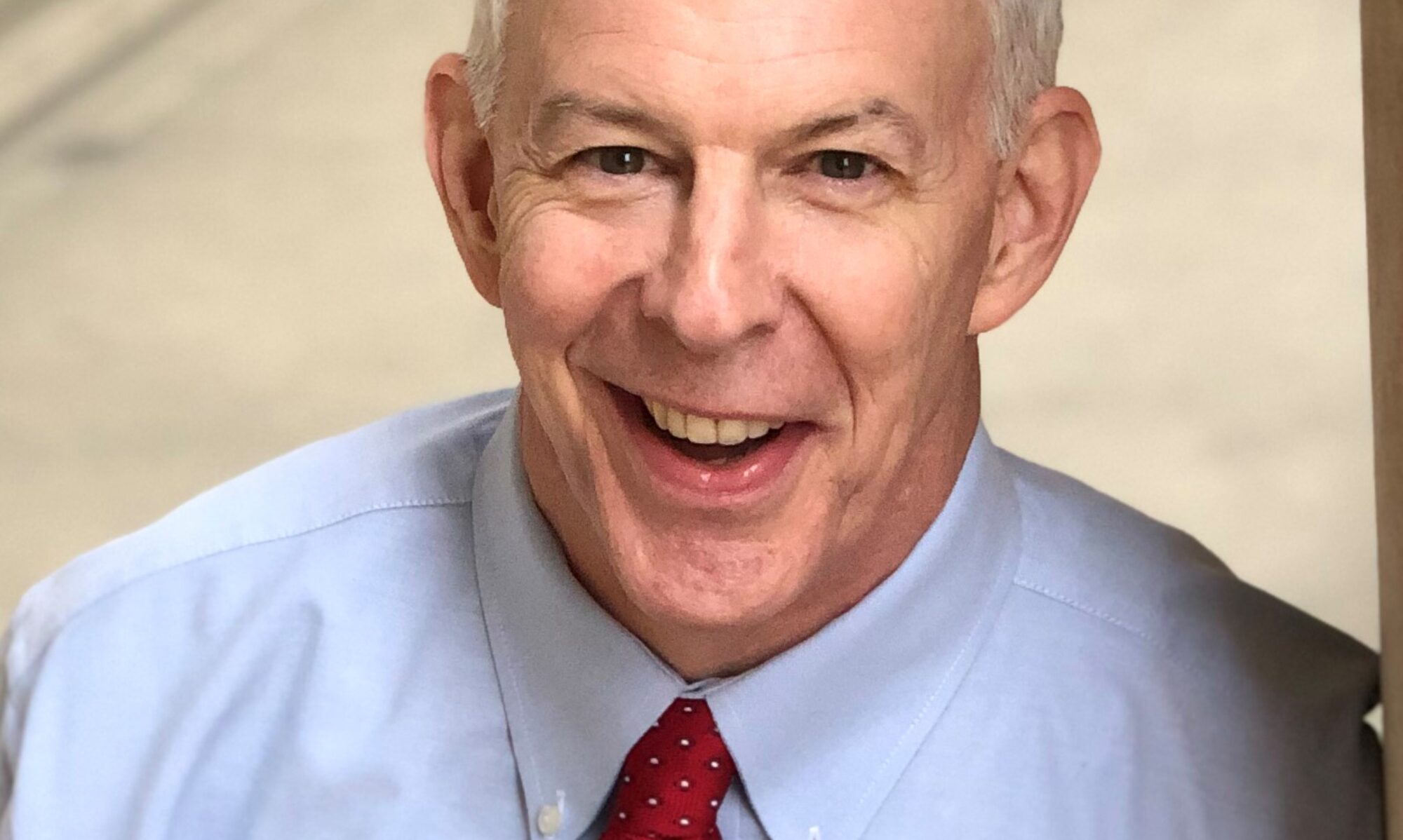
John McCarthy, Ph.D., offers interactive, evidence-based presentations and workshops on positive psychology. He has authored 30 journal publications and delivered over 60 professional presentations across 14 countries. His work has been featured in The Pittsburgh Post-Gazette, HuffPost, The Buffalo News, Counseling Today, and The Psychotherapy Networker. He has written two books on creative thinking and problem-solving, The Innovator Next Door and Driving Forward in Reverse. Dr. McCarthy also blogs for Psychology Today.
The joy of creative thinking!
Creative thinking and problem-solving can be immensely beneficial in life. Unfortunately, they are topics often absent in education, and, at the same time, several myths surround them. This interactive course focuses on definitions, types of thinking, and obstacles, and even better yet will be the techniques to foster creative thinking and problem-solving that will be covered. Participants can look forward to exercises, videos, and small-group activities. Required item: a sense of humor!
Length: 1.5-2 hours
Curiosity: It didn’t kill the cat… and it can help you
Everybody can ask questions; they graduated from “Question-Asking 101.” Now how can innovation be fostered through heightened curiosity, thought-provoking questions, and techniques to generate novel ideas? This topic is critical to the start of creative thinking and is integral in humor, consultation, and a host of occupations. Participants will leave with at least three question techniques and experience a question-storming process.
Length: 1.5-2 hours
Being awe-ful: Bringing awe and wonder to everyday life
Awe is often seen in “big” things: majestic mountains, the Taj Mahal, or the birth of a child. However, awe can be a part of daily life and can aid in well-being and decreasing stress. It is linked to the release of oxytocin and reduced inflammation. Awe-inspiring moments are all around us. It is merely a matter of “seeing” them.
Length: 1 hour
Finding meaning in life: It may be easier than you think
Meaning in life brings motivation and energy, and a loss of purpose can be devastating to a person’s self-esteem and life satisfaction. Meaning is also significant throughout the lifespan. The three big “why” questions around meaning will be discussed, and various ways to add meaning to life will be shared.
Length: 1 hour
The world of wellness: Things that school never taught
From the annual World Happiness Report to body odors and foods to dental health, this presentation offers a potpourri of wellness findings from research and experts that may surprise, affirm, and motivate participants. Just why has Finland ranked #1 in global happiness for eight consecutive years? What does garlic do to body sweat? Which sports have been linked to a longer lifespan? An array of ideas from different areas of wellness will be offered.
Note: This presentation can include a number of topics, including:
-
-
- The Global Happiness Report
- Life satisfaction/happiness
- Physical wellness
- Nutrition
- Oral health
- Sleep
- Spiritual wellness
-
Length: 1-6 hours
Laughter and humor: Life with levity
We laugh—perhaps at different things—but what exactly is laughter and how might it help our body? Research has found that it can lower stress and improve blood flow. People tend to laugh more in the presence of others. Finding ways to integrate smiles and chuckles into life starts with a few simple things that will be discussed in the workshop.
Length: 1 hour
Why Social Health is so Difficult and How Vitamin S can Help
While the research on the benefits of social health is clear, it can also be difficult to attend to this part of life. Various obstacles, including technology, can interfere. One possible jolt of social health can come from interactions with random people encountered in daily life. This interactive presentation discusses the research and includes some brief activities.
Length: 1 hour
Hope: It’s not the same as optimism
Hope is an invisible constant in life. We hope for all kinds of things: good weather, promotions, finding a date, and winning the lottery. We start emails with a “hope all is well” comment. Yet what exactly is hope and how is it different than optimism? Though one of the least studied dimensions of well-being, the research on hope can be critical to our behaviors. The three elements of hope will be discussed as well as the one key word in helping hope happen.
Length: 1 hour
Solution-focused thinking: A trip down Success Street*
This workshop applies concepts from solution-oriented brief therapy to daily life and well-being. Developed in the late 1970s, this approach looks at the person’s future with the idea that small changes lead to larger changes. This strength-focused examines moments of success through thought-provoking questions. Instead of focusing on a problem (stressor), the emphasis lies in creating possibilities.
*For mental health professionals
Length: 1 hour
Put those strengths to work!
The job interview often includes that (in)famous question: “Tell me about your strengths.” Many fumble with this question… understandably so. After all, how do we know our strengths? Yet knowing—and being able to successfully use—our strengths can be monumental in dealing with difficulties, life transitions, and career advancement. Ideas on how to become a “strengthspotter” and how to apply strength utilization to marriage and other relationships.
Length: 1 hour
Pathways to enhancing your well-being
Life satisfaction and person well-being takes conscientious effort. This workshop offers an array of ideas to aid people, and some of them may take mere moments. From exercise bursts to experiencing nature to savoring positive experiences, the habits from science-backed research may easily be within one’s reach.
Length: 1-1.5 hours
Failure: Falling forward to success
If you have experienced failure, then welcome to Humanity! This workshop examines how “failure” can be seen in a positive way and something from which to build subsequent success.
Length: 1 hour
Sleep: Why we can’t go without it
Sleep is complex element of human life that affects many areas of wellness. It serves many purposes from aiding with memory to strengthening neural pathways. This presentation will also include research on sleep deprivation, napping, and sleep studies in other countries.
Length: 1 hour
Social wellness: The special sauce in life satisfaction
The research is fairly clear: Healthy relationships can be life-sustaining, yet this element of wellness gets less attention. This workshop talks about the research on social relationships as they relate to well-being, social engagement, loneliness, and physical health. This presentation will cover such topics as why the brain needs friends; the benefits of friendship; the importance of micro-connections; and the biggest myth of loneliness. Finally, initiatives by other countries in aiding social health will be addressed.
Note: Condensed presentations on a) friendship and b) loneliness can also be done.
Length: 1-4 hours
We’re all Stress Experts, but what exactly is it?
For better or worse, stress is a part of daily life and can have detrimental short-term and long-term physical effects. Understanding the fundamentals of stress and stress physiology may help people to better deal with them. This workshop will discuss a) the definition of stress; b) the different types of stressors; and c) various ways of better managing stress.
Length: 1-2 hours