[Photo credit: Anastasia Shuraeva/Pexels]
I have witnessed many people move into retirement. Some situations were voluntary, others mandatory. Some people flourished. Others declined. To better understand these differences, I frequently ask people, “What advice would you have for a successful retirement?”
After all, retirement may not bode well for the brain. Heightened risks for cognitive decline and depression can loom for some entering this life chapter (Ravindranath, 2025). In the older adult population, those individuals who are retired face higher levels of depression (Dang et al., 2022).
My conclusion at the moment: Successful retirement equals E+R. That is, “exercise” plus “relationships.” Perhaps the two things can even go hand in hand. It is a simplified formula, of course, and a preliminary thought about well-being at this juncture.
Exercise (“E”) represents one of the pillars of lifestyle psychiatry. However, many people fall short of the CDC recommendations for physical activity. The National Council on Aging related that less than one-third of older Americans meet the suggested mark in this category.
Viswanathan (2024) outlined the advantages of exercise at any age, including the release of brain-derived neurotropic factor (BDNF), improved cognitive functioning, and an increased volume of the hippocampus. It can also help with the reduction in the prevalence of depressive symptoms.
Another upside of exercise is its positive effect on chronic inflammation, which is a concern in both a cause and in signs of disease. People with sedentary lifestyles tend to have higher levels of inflammation, and consistent movement often has beneficial effects (Friedman, 2025).
“R” (relationships), another pillar in lifestyle psychiatry, are equally important. Beebe (2022) pointed to research finding that nearly 25% of people aged 65 or over are socially isolated. “This circumstance,” she added, “is often terrible for your health, including your heart.”
The link to mental health and other areas of physical health is also clear. Social isolation poses health risks equal to smoking, hypertension, and obesity. Social connections may even affect neurobiological circuitry in our brains and psychological resilience (Noordsy, Abbott-Frey, & Chawla, 2024).
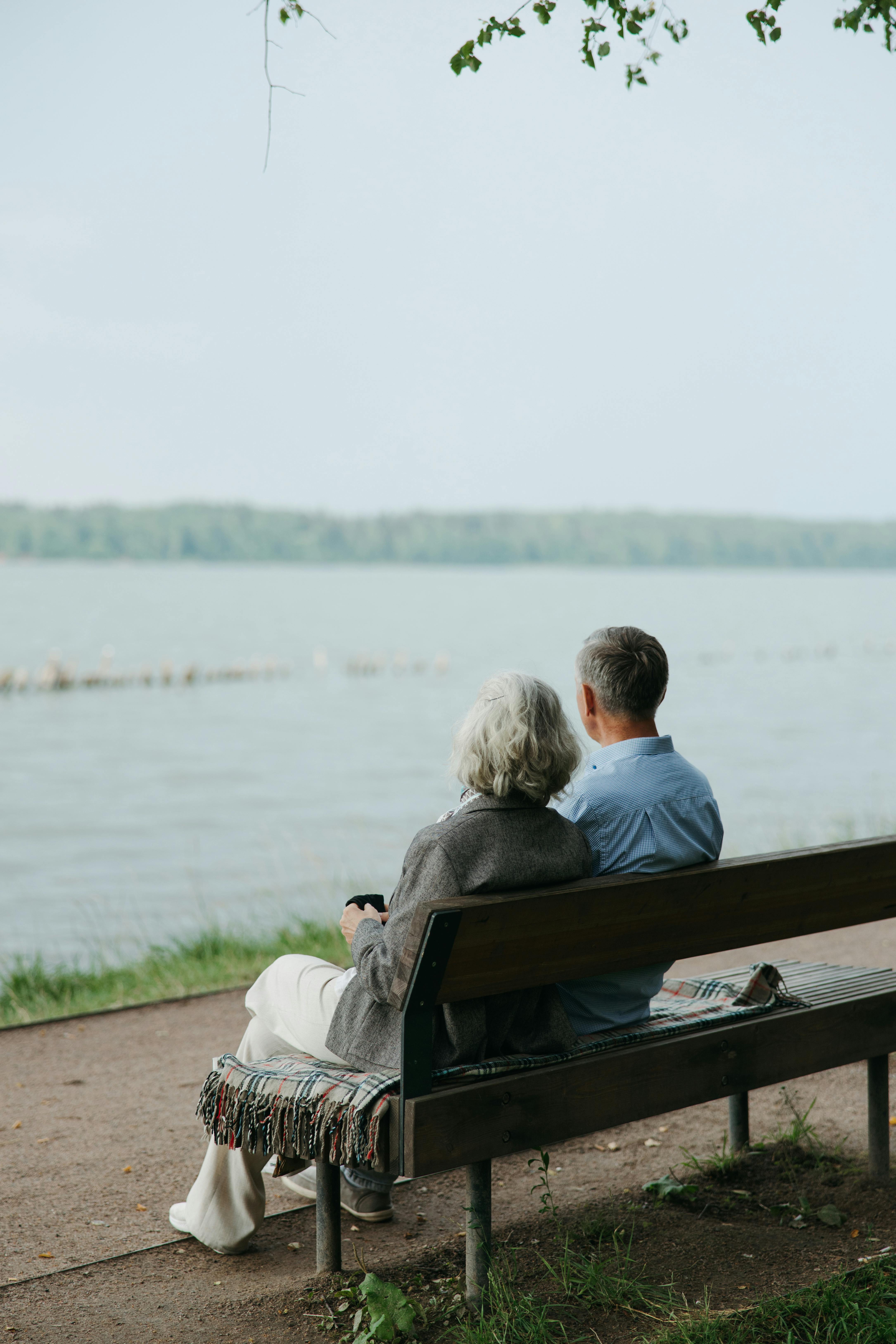
Combining the “E” and “R” is one idea: Exercising with others could be a healthy option. According to the National Council on Aging, some programs offered by community organizations have evidence-based benefits in health for older individuals.
Another possibility—which holds for people of any age—is green space. Walking in nature has multiple benefits from improved overall mental health and cognition to decreased mortality and cardiovascular disease, according to Peter James at the Harvard T.H. Chan School of Public Health (Moran, 2023).
The hypothesis for this effect, James said, goes back to our roots: “We like being in nature because we are nature, we evolved in nature. This is the setting we were meant to be in” (Moran, 2023).
Admittedly, the E+R equation is basic. Other factors, such as diet, could be added, yet it seems to me that the exercise and relationship components are fundamental to success in retirement.
References
Beebe, J. (2024, November 7). 10 worst habits for your heart. AARP. https://www.aarp.org/health/healthy-living/avoiding-unhealthy-heart-habits/
Dang, L., Ananthasubramaniam, A., & Mezuk, B. (2022). Spotlight on the challenges of depression following retirement and opportunities for interventions. Clinical Interventions in Aging, 17, 1037–1056. doi: 10.2147/CIA.S336301
Friedman, D. (2025, March 19). Here’s one more reason to try to exercise. The New York Times. https://www.nytimes.com/2025/03/19/well/move/inflammation-exercise.html
Moran, M. (2023, November). Movement emerges to include green space as a social determinant of mental health. Psychiatric News, pp. 16, 37.
National Council on Aging. (2023, December 1). Exercise programs that promote senior fitness. https://www.ncoa.org/article/exercise-programs-that-promote-senior-fitness/
Noordsy, D., Abbott-Frey, A., & Chawla, V. (2024, March). Lifestyle psychiatry emphasizes behaviors supporting mental health. Psychiatric News, 29-32.
Viswanathan, R. (2024, July 19). Exercise is neuroplastic medicine. Psychiatric News. https://psychiatryonline.org/doi/full/10.1176/appi.pn.2024.08.8.45